
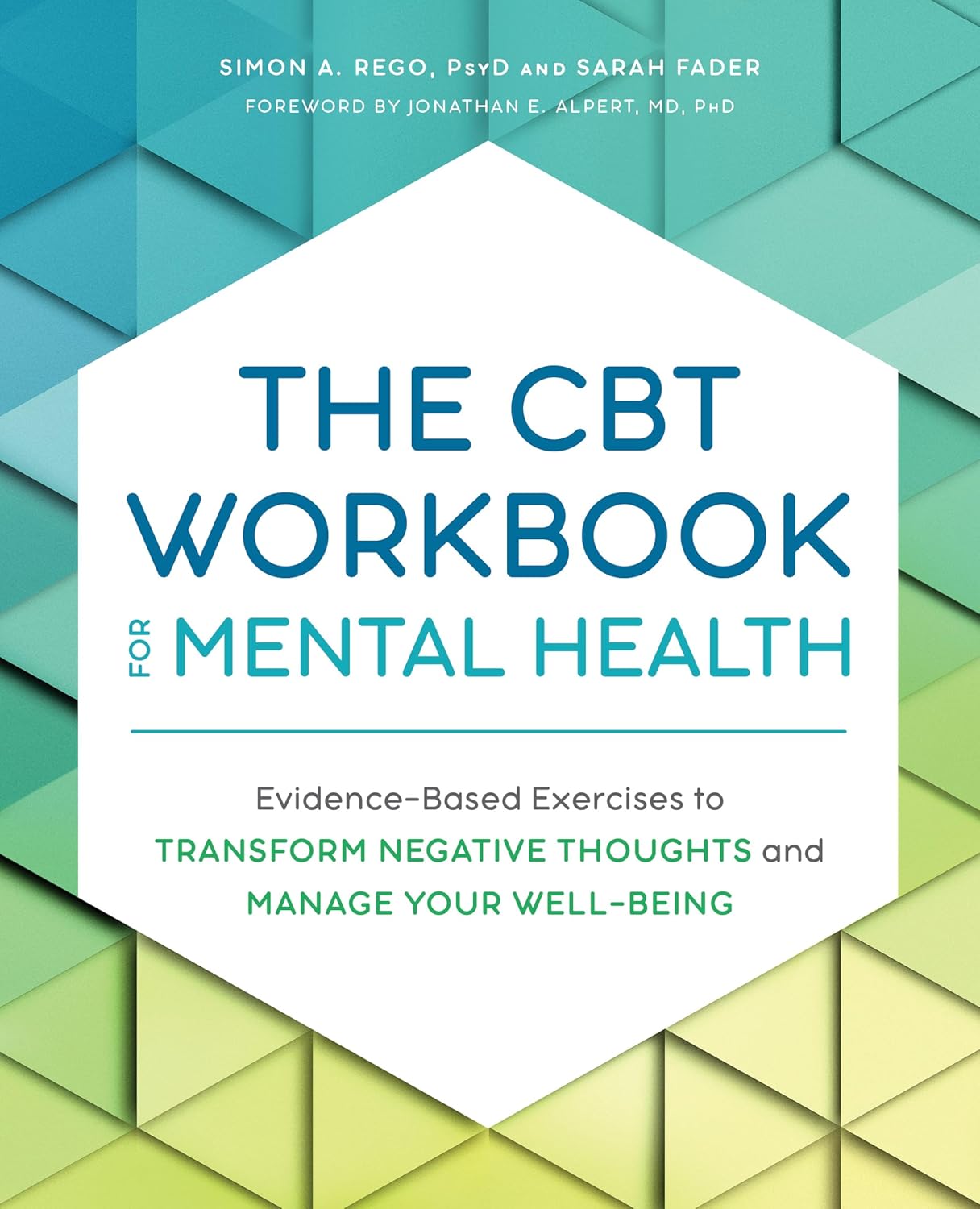
I recently delved into The CBT Workbook for Mental Health, and it proved to be an enlightening experience. As someone who enjoys exploring self-help and psychological tools, I was particularly drawn to this workbook because of its emphasis on cognitive behavioral therapy (CBT) techniques. The promise of cultivating a sense of calm and confidence through simple exercises was too good to pass up, especially given the increasing importance of mental health in our lives today.
From the get-go, I appreciated the book’s user-friendly design and the way it eases the reader into the world of CBT. The exercises are timed to take between 10 and 30 minutes, making them accessible even for the busiest of folks, which I found particularly appealing. One of my favorite exercises involves crafting personal affirmations, a concept that has proven beneficial according to many readers, including someone who mentioned that it greatly helps in emotional regulation and making better choices.
That said, I did encounter a few drawbacks during my readings. While I found the content immensely valuable, there were a couple of users, like ShopSmartSavvy, who expressed concerns about receiving a used copy instead of a new one. I personally didn’t have that issue; however, I understand how frustrating that experience can be for readers who eagerly await a new book. Furthermore, another reviewer pointed out that some editing choices felt slightly off, such as merging unrelated exercises into the same categories, which can make it a bit confusing at times.





On the positive side, the workbook covers a wide range of issues—including anxiety, anger, and self-esteem—allowing readers to build their coping skills comprehensively. I particularly appreciated the chapter on stress and anger management. The exercises are laid out in a clear manner, with ample space for notes and reflections, which enhances the learning experience. It’s evident why many readers rave about this workbook, noting that it has helped them tackle distorted thinking patterns and apply CBT techniques in their daily lives.
Notably, the emphasis on creating gratitude lists was a standout feature for me. It aligns perfectly with the book’s goal of fostering emotional wellness by shifting focus away from negativity—a sentiment echoed by other readers who found it game-changing for improving self-esteem. The content and exercises are carefully structured to ensure the reader engages deeply with their emotions and thoughts, reinforcing the commitment to positive mental health.
However, I couldn’t help but notice that some key modern issues, like internet and social media addiction, were missing from the discussion. Given that the book was published in 2021, I found it surprising that these elements weren’t addressed, especially since they can be significant stressors for many individuals today. This omission might make the book feel slightly dated for some readers.
Overall, The CBT Workbook for Mental Health met my expectations as a practical and insightful guide for improving emotional well-being. The structured exercises and clear writing style make it accessible, whether you’re new to CBT or just looking for a reaffirmation of what you’ve already learned in therapy. The book’s intent to equip readers with tools for everyday challenges aligns beautifully with its overarching theme of living more positively.
In conclusion, I wholeheartedly recommend this workbook to anyone interested in improving their mental health, even if they don’t have a diagnosis. It offers valuable insights, especially for those seeking to better understand and regulate their emotions. Just be aware of potential issues with order fulfillment if you’re purchasing online, and maybe dust off some self-reflection tools on social media impact after reading. But if you’re ready to take actionable steps toward enhancing your mental well-being, this book is a fantastic resource. 4.5 stars—worth the read!