
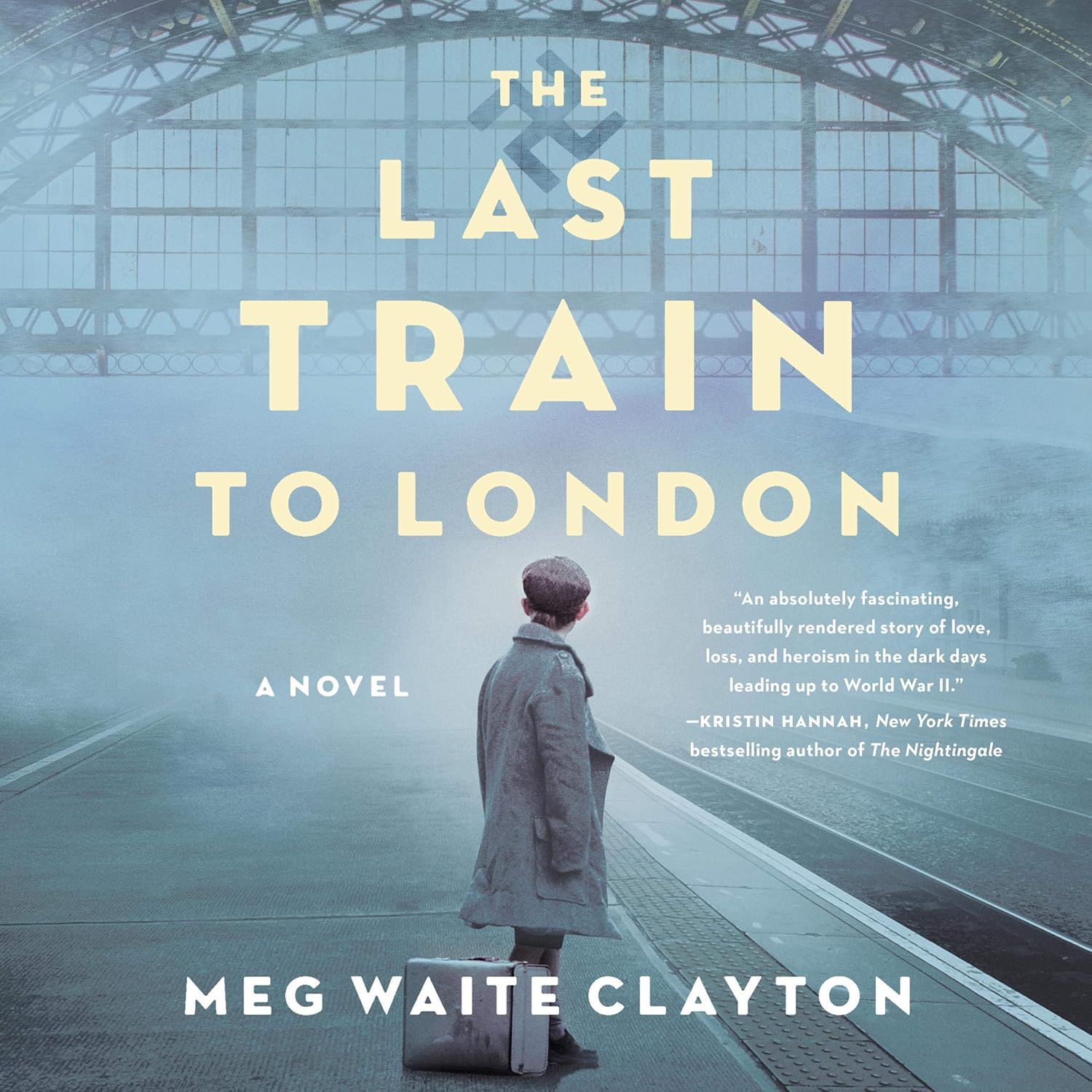
I recently finished “The Last Train to London” by Meg Waite Clayton, and I’m still processing the depths of emotion this novel stirred within me. As someone who has always been captivated by historical fiction, especially stories involving World War II, the premise of this book, largely based on the real-life Kindertransports that rescued Jewish children from Nazi-occupied Europe, instantly drew me in. The layering of hope amidst despair, coupled with tales of bravery, promised a compelling narrative.
The story revolves around 15-year-old Stephan Neuman, a budding playwright from a wealthy Jewish family in Vienna, and his close friend, the courageous Žofie-Helene. The contrast of their youthful innocence against the dark backdrop of growing Nazi influence creates an engaging narrative arc. A key figure in this unfolding drama is Truus Wijsmuller, a member of the Dutch resistance who risks her life to lead these children to safety, providing a beacon of hope amidst the harrowing circumstances.
One of the standout features of the book is its character development. Readers are fully immersed in the emotional landscape of the characters, allowing us to genuinely care for their fates. Like many reviewers, I found the depiction of Truus, the embodiment of courage and resilience, to be particularly inspiring. Her determination to save over 10,000 children is a narrative thread that not only educates but also uplifts. This aligns with the sentiments expressed by other readers, such as one who noted that the book offers “heart-wrenching” stories from a time we must never forget.





However, as noted by some other reviewers, the pacing can be a bit slow at the beginning. Vicki Lawrence mentioned that the initial chapters felt dragging before the narrative picked up. I had similar feelings, as the setup and introduction of characters took some time before the truly engaging conflicts arose. Yet, once I was past that initial stage, I was genuinely hooked. It became hard to put the book down—most evenings, I found myself saying, “just one more chapter” long past my bedtime.
Another aspect I found intriguing was the multiple character perspectives. While it might have lent some complexity to the narrative, as C.E. mentioned, it also made it difficult at times to fully connect with any single character. The frequent shifts could momentarily distract from the central plot. However, I believe this approach also emphasizes the scope of the tragedy and the many lives intertwined in that dark period, bringing a broader understanding to the reader.
The emotional content of this book is another talking point. Many readers felt a rollercoaster of emotions—heartwarming in moments, yet utterly heartbreaking in others. I can’t say I disagree; the profound sorrow of the circumstances surrounding the Kindertransport was palpable. Monique Cashmere captured this sentiment beautifully when she expressed how the story made her reflect on the lasting effects of WWII. While it is a work of fiction, it is woven with real events that make it resonate deeply.
In terms of setting, the book paints a vivid picture of Europe before the full impact of the war settled in, making it both an educational and illuminating read. The change from carefree adolescence to a survivalist reality hits hard, particularly for Stephan and Žofie. It’s a stark reminder of the urgency and importance of helping those in peril, an underlying message resonating eerily in today’s world.
Overall, my experience with “The Last Train to London” was powerful and thought-provoking. Its combination of heart-wrenching history and inspiring courage leaves an indelible mark on the reader. While the pacing and complexity of characters might not appeal to everyone, the sheer importance of the story told makes it a worthwhile read.
I wholeheartedly recommend this book to anyone interested in historical fiction that explores themes of resilience and bravery. Meg Waite Clayton’s narrative is not just a story; it’s a crucial reminder of humanity’s capacity for both cruelty and kindness. If you’re looking for a story to engage both your heart and your mind, this should definitely be on your reading list.
“Discover the captivating journey of resilience and hope in The Last Train to London.” >>