
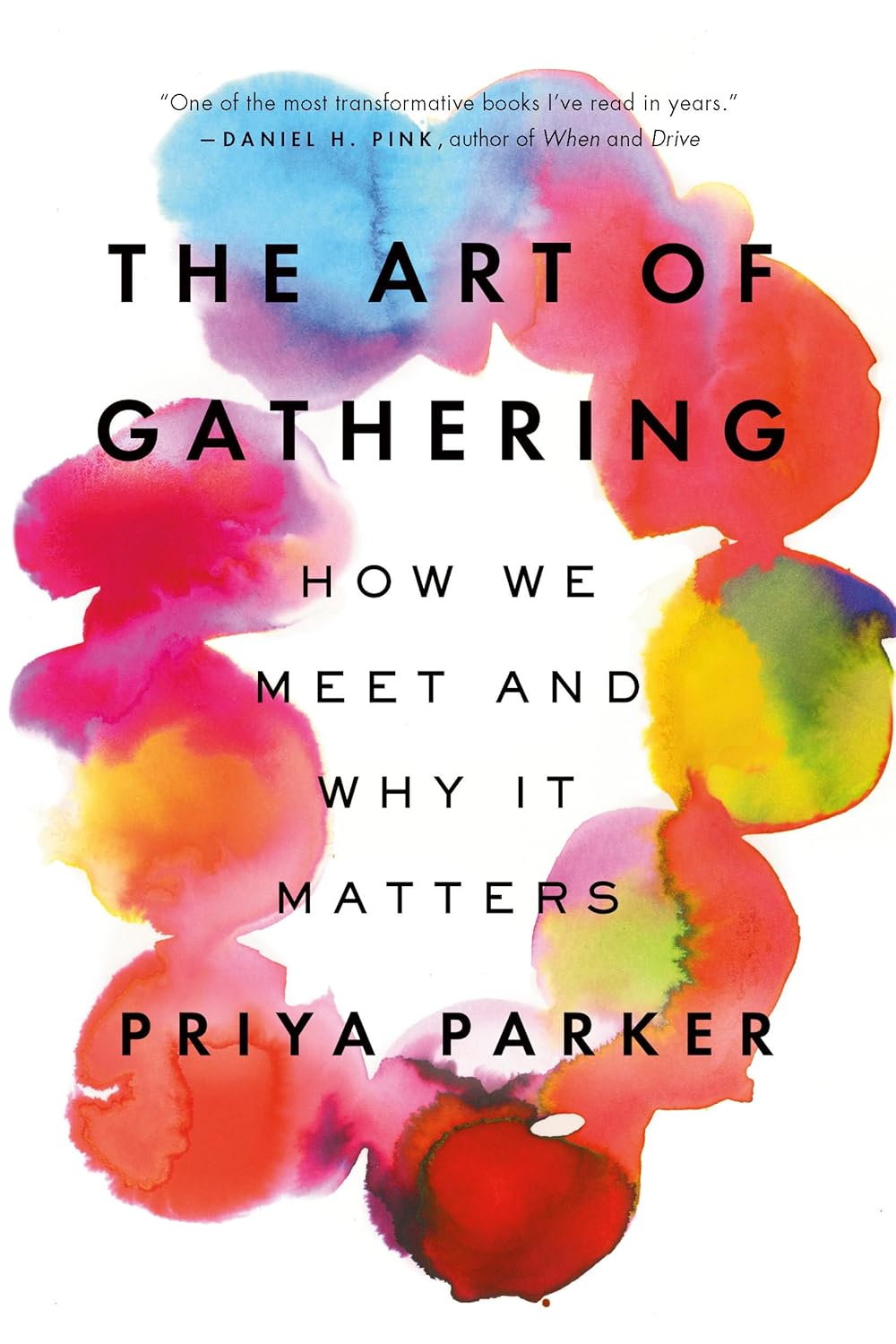
I recently delved into The Art of Gathering: How We Meet and Why It Matters by Priya Parker, motivated by my ongoing quest to enrich my social interactions and gatherings. As someone who loves hosting various events—from casual dinner parties to more formal meetings—I was intrigued by Parker’s premise that our gatherings often lack energy and purpose. Her approach promised to transform how I spend time with others, and I was eager to learn how to create more meaningful experiences.
From the get-go, Parker’s expertise as a facilitator shines through. In her exploration of various gatherings—from conferences and courtroom proceedings to flash-mob parties—she presents compelling examples and insights that can be applied universally. The book is structured as both a journey and a practical guide, seamlessly blending analysis with actionable strategies. One of the aspects I especially appreciated was her focus on the human-centered approach to gatherings, emphasizing the distinctiveness and intentions behind each event. This concept resonated with me deeply; it shifted my perspective from merely attending events to being an active participant with clear intentions.
Throughout the book, Parker makes a strong case for reassessing why we come together, encouraging us to shed reliance on routine conventions and focus on the people involved. I found myself nodding vigorously in agreement as she elaborated on how many gatherings feel stale and uninspired. Her argument that we often overlook the vital role of clear purpose truly hit home, echoing my past experiences where gatherings fell flat due to a lack of direction.






Yet, while I derived much inspiration from Parker’s recommendations, I can’t help but acknowledge some drawbacks. For instance, I remember a review from T. L. Cooper that pointed out Parker’s suggestions can feel somewhat contrived, especially during informal gatherings. This sentiment reflects a valid concern: could the overly structured gatherings Parker advocates for lead to a stifling atmosphere, rather than the relaxed vibe people expect? This question lingered with me as I reflected on my own casual get-togethers, where spontaneity often contributed to the most memorable experiences.
Another aspect that some readers highlighted was the presence of name-dropping. While I have no personal qualms about acknowledging influential figures to illustrate certain concepts (and I think many examples were relevant), I can see how this might rub some readers the wrong way if they feel it detracts from an otherwise focused discourse.
Another point to consider is that although the examples might be engaging, some readers might find the book occasionally verbose. I appreciated the multitude of scenarios, yet there’s no denying that a tighter narrative could have made some arguments more compelling. A review from S. E. captured this well, noting the mix of principles and etiquette, which while interesting, sometimes detracted from practicality.
Despite these drawbacks, Parker’s work is rich with good insights that genuinely helped me rethink my approach to gatherings. She equips readers with the tools needed to create transformative experiences, whether it’s an intimate dinner party or a large professional meeting. In fact, often were the moments I found myself pondering future gatherings, drawing inspiration from her vivid examples and psychological insights.
I can certainly relate to Emmanuel’s review that hails the book as a resourceful guide for enhancing communal interactions. I, too, found newfound enthusiasm for trying out Parker’s suggestions. As I closed the book, I couldn’t help but think about how I’d approach my next gathering differently: fostering connections, maintaining flow, and even designing conversations with a clearer purpose.
In conclusion, The Art of Gathering is a highly insightful read that fulfilled my expectations with its innovative approach to enhancing our social interactions. While it might challenge some of our notions about informal gatherings and introduce a few stylistic hiccups, its core principles offer invaluable guidance that can revolutionize how we come together. I wholeheartedly recommend this book to anyone who hosts or participates in gatherings—whether at work, home, or in the community—as it provides a blueprint for making each gathering truly noteworthy.