
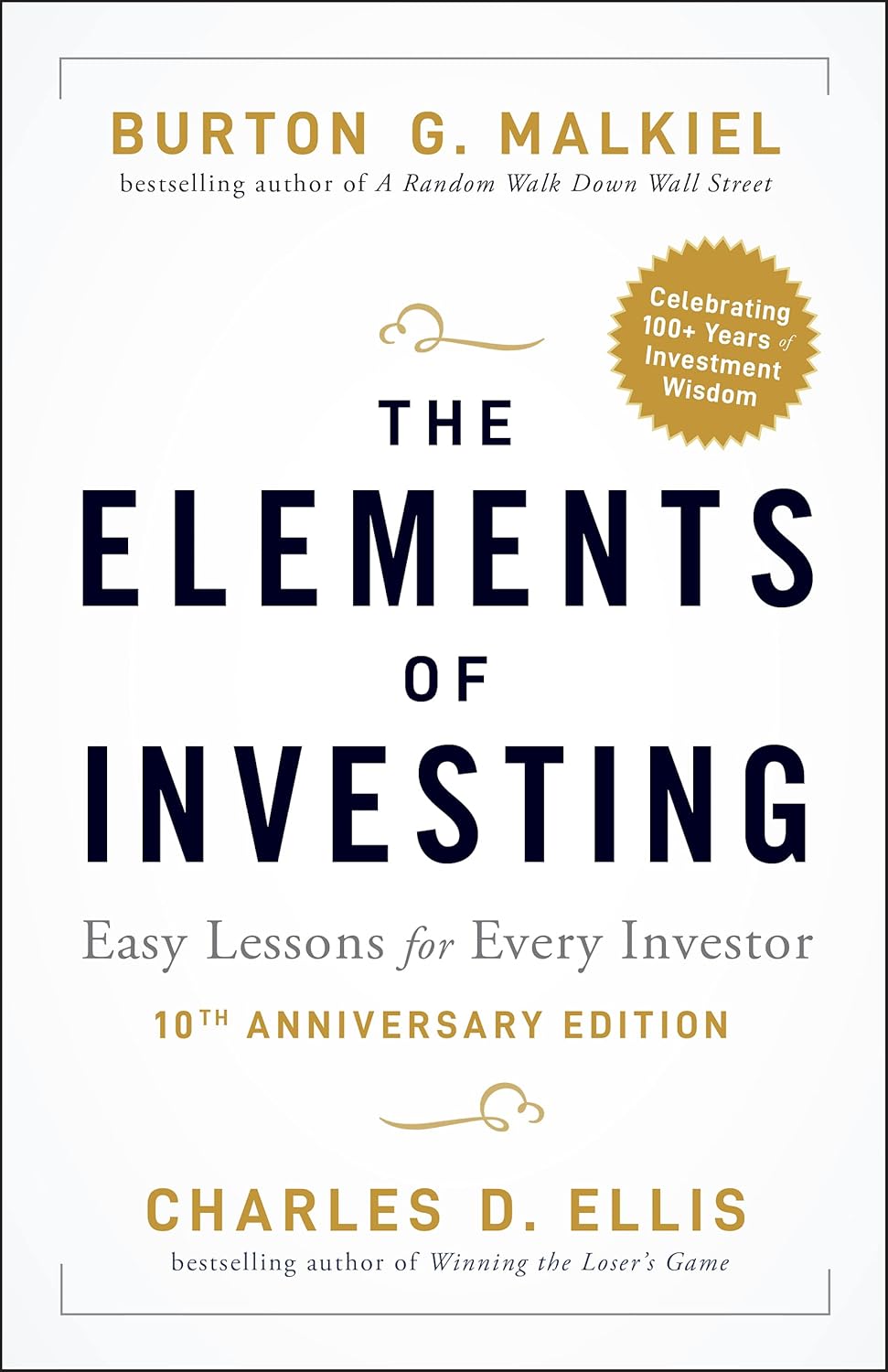
Review of The Elements of Investing: Easy Lessons for Every Investor
As someone who enjoys digging deep into personal finance and investment strategies, I was drawn to The Elements of Investing after hearing it recommended as a solid foundation for newcomers and experienced investors alike. The promise of straightforward, digestible lessons from notable experts like Burton G. Malkiel and Charles D. Ellis made this book an appealing choice for me. I wanted to deepen my understanding of investment principles in this era of fluctuating market trends and emerging digital assets.
One of the main positives that struck me while reading was how clear and accessible the content was. It’s evident why reviewers like Chris Mason rated the book as “easy to understand” and packed with “great information.” The authors break down complex concepts into simple terms, which is essential for anyone looking to conquer the often intimidating world of investing. I found myself nodding along as they discussed strategies like dollar-cost averaging and the importance of diversification. These foundational principles are presented in an engaging manner, effectively equipping readers with vital knowledge for long-term success.
Another aspect that resonated with me was the focus on adopting a long-term perspective while investing. In an age where there’s a constant buzz around short-term gains and the “next big thing,” Tropic Lightning aptly pointed out that the book is tailored for those who “don’t have the time to stay connected to the stock market.” The advice to ignore short-term noise and concentrate on steady, consistent growth is something I wholeheartedly agree with. The authors also provide practical insights into using employer-sponsored plans to maximize savings and limit tax implications, which I found incredibly valuable.





However, it’s not all roses. While the book summarizes basic principles well, I felt that it could have offered more depth in certain areas. One reviewer, James K., rightly noted that while the book provides solid foundational advice, it also sometimes appears to trivialize current market conditions, which may not always conform to the “timeless” rules they advocate. For a reader interested in understanding how to apply these principles in a contemporary context, this can feel somewhat limiting.
Additionally, while I appreciate the authors’ strong endorsement of index fund investing, I sensed that they pushed this approach without sufficiently acknowledging its potential drawbacks in specific market scenarios. This could leave a reader feeling somewhat constrained by the narrative that index investing is the only viable path.
Overall, The Elements of Investing meets most of my expectations. It’s a great starter guide, as emphasized by multiple reviewers like James Severson, who found it transformed his understanding of stocks. The way it fosters a sense of confidence in investing basics makes it an excellent resource for anyone looking to take control of their financial future.
In conclusion, if you’re looking for a concise, no-nonsense guide to the fundamental principles of investing, I wholeheartedly recommend The Elements of Investing. It successfully marries straightforward guidance with engaging content, although it may leave some seasoned investors wanting more depth on contemporary conditions. With a rating of 4.5 out of 5 stars, it stands out as a strong companion for both novice and experienced investors alike.
Discover essential insights for successful investing with The Elements of Investing. >>