
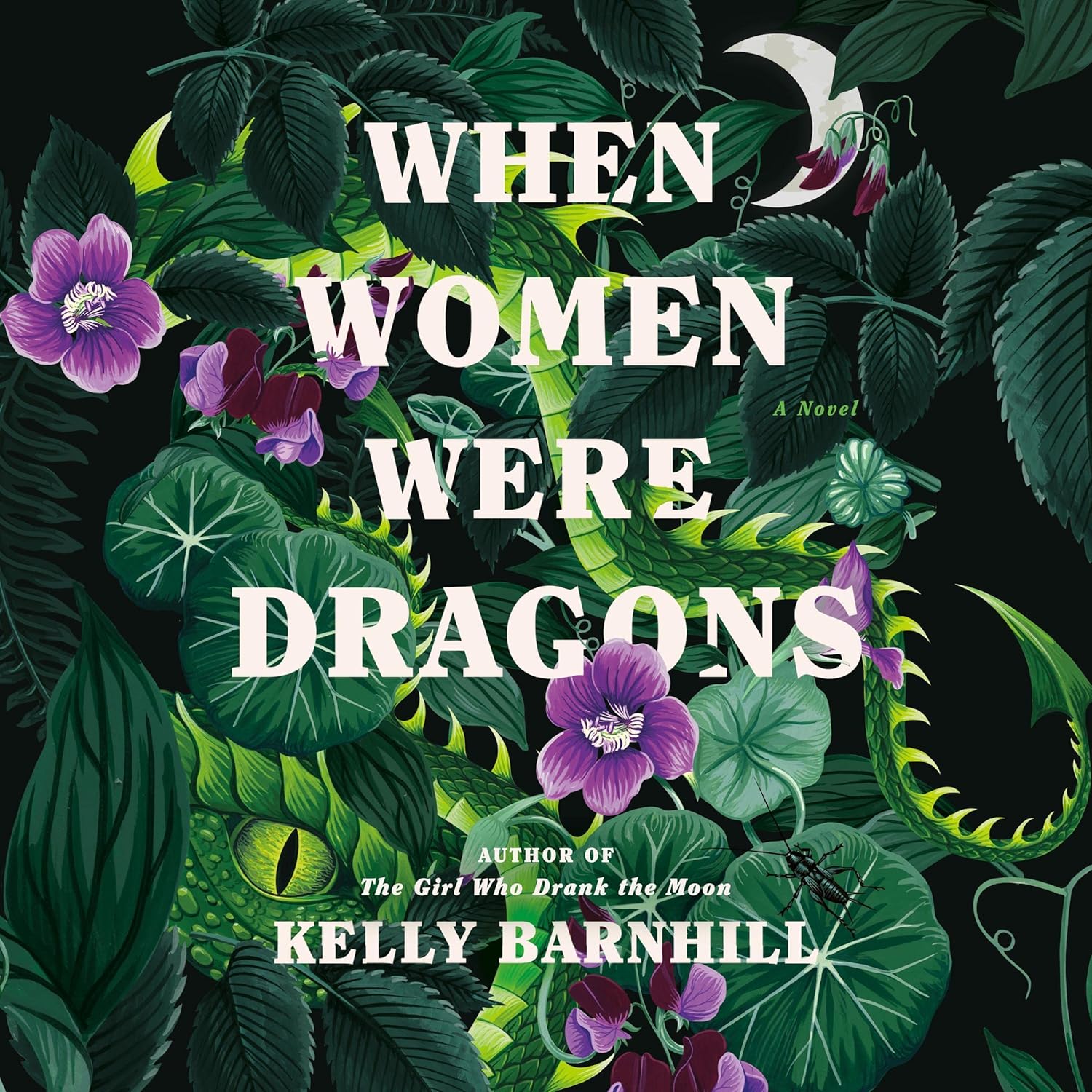
I recently dove into Kelly Barnhill’s captivating novel, When Women Were Dragons, and I find myself still basking in the afterglow of that enchanting journey. As someone who loves fantasy with a strong underpinning of social commentary, the premise of women transforming into dragons in 1950s America instantly caught my eye. The idea of such a drastic metamorphosis serving as a metaphor for women’s empowerment and rebellion against societal norms intrigued me, and I was excited to see how the narrative would unfold.
The heart of the story is young Alex Green, who witnesses the Mass Dragoning, where many ordinary women, including her aunt Marla, suddenly transform into dragons. This pivotal moment alters the trajectory of Alex’s life and shapes her exploration of freedom, identity, and the inherent rage and love tied to being a woman in a restrictive world. Barnhill writes with a unique voice, blending whimsy and profound insight. The writing is undeniably beautiful, with descriptive passages that truly made me feel the weight of Alex’s experiences.
Many readers have raved about the emotional depth of this tale, highlighting how Alex’s courage and fierce love for her cousin Bea resonate throughout the narrative. Elizabeth J. Porter perfectly encapsulated this by stating that Alex is a courageous heroine whose love lights every page. I wholeheartedly agree; witnessing Alex navigate her journey against the backdrop of a silenced history of women left an indelible mark on me.



Another standout quality of the book is its bold feminist themes. Barnhill dives into societal expectations and the struggles women face through the allegory of dragoning, which is both imaginative and deeply relatable. I appreciate the layers of meaning woven into the narrative. As another reviewer noted, the author effortlessly illustrates stereotypes and injustices towards women while still engaging the reader through a fantastical lens.
However, while the novel undoubtedly excels in emotive storytelling and thematic depth, I did find parts of the pacing somewhat uneven. A few sections felt slow, leading me to skim through parts where I wished for tighter action. This was echoed by some reviewers who felt the narrative occasionally bogged down, though others found it to be a rich and engaging read.
Additionally, the novel invites numerous interpretations regarding the metaphors surrounding dragoning. While I reveled in the complexity, I can understand how some readers may be left feeling confused or seeking clearer connections. One reviewer candidly expressed that the symbolism didn’t always land, and I found myself grappling with similar questions about what the dragoning truly represented for each character’s development and broader social commentary.
Despite these drawbacks, Barnhill’s storytelling captivated me. The emotional stakes are high, and the connections between the characters are beautifully drawn. The coming-of-age aspect alongside critical social reflections made this novel a layered experience.
In conclusion, When Women Were Dragons is a thought-provoking and beautifully written tale that delves into female empowerment and societal norms. While it may not satisfy every reader’s expectations regarding pacing and clarity, it is more than worth the read for those who appreciate a complex narrative wrapped within a rich allegorical framework. The vibrant imagery and heartfelt characters make it a memorable addition to the feminist fantasy genre.
If you’re looking for a book that challenges societal norms while keeping a fairytale enchantment, then I wholeheartedly recommend this one. You’ll likely find yourself reflecting on its themes long after you’ve turned the last page.
Discover a captivating tale of transformation and empowerment in When Women Were Dragons. >>