
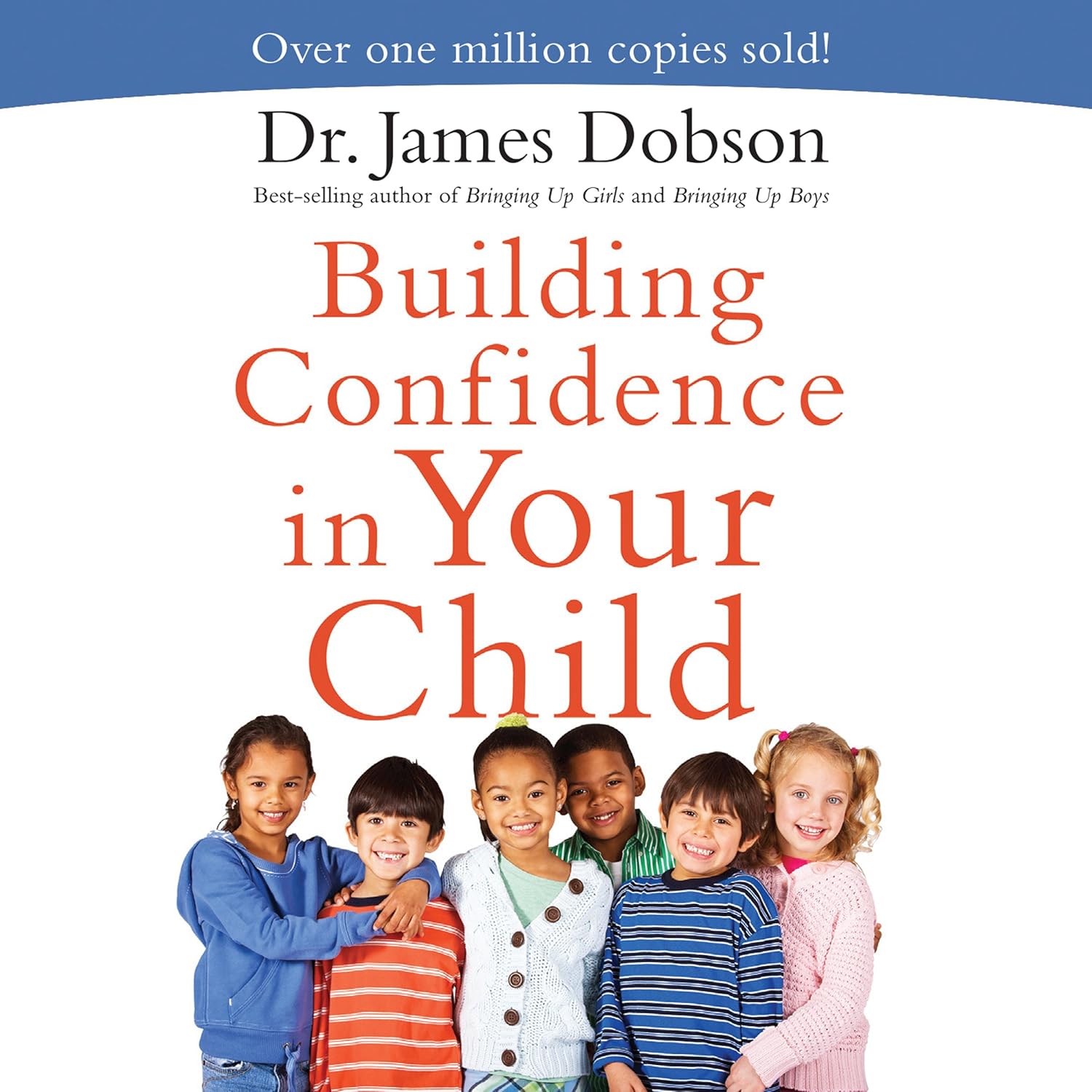
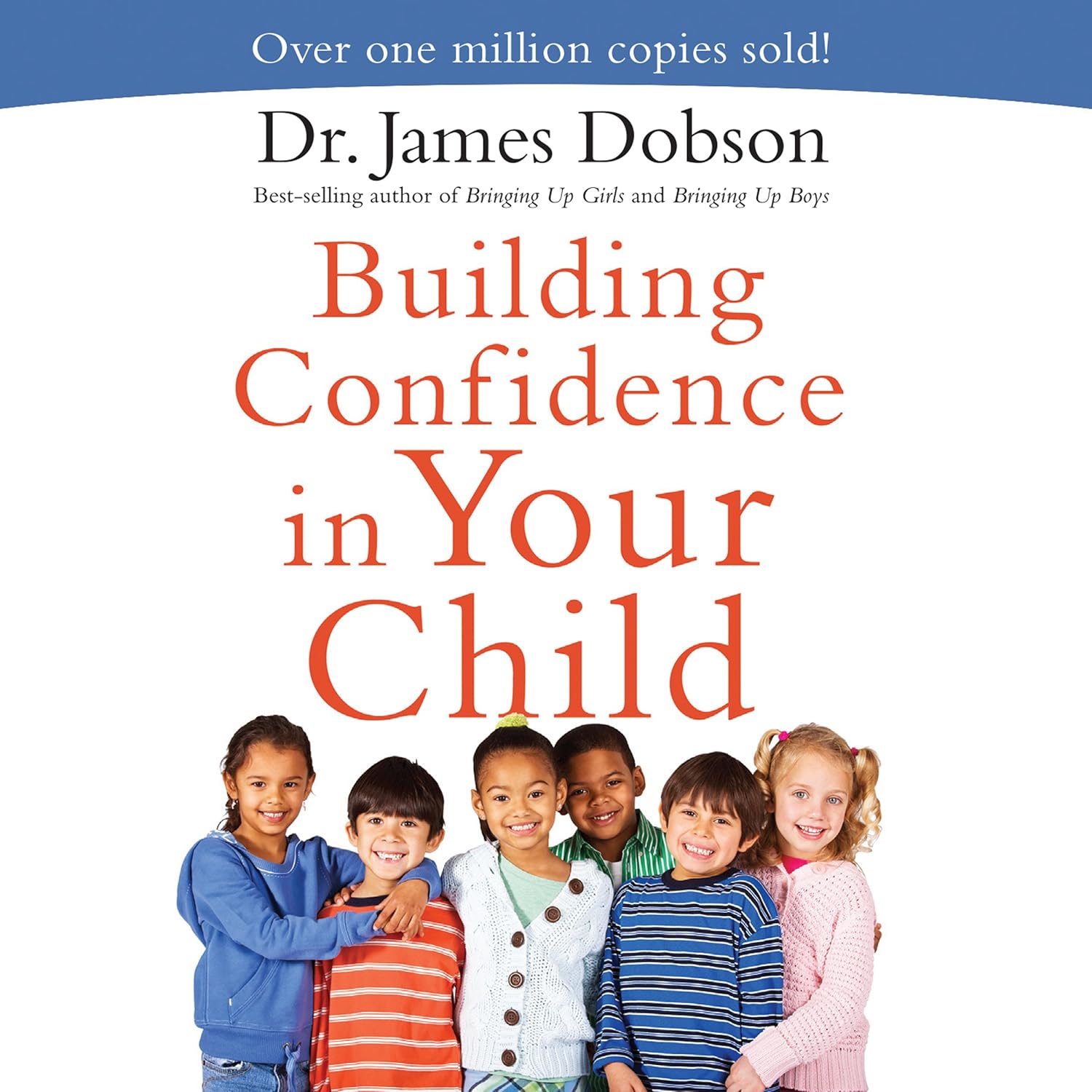
I recently finished reading Building Confidence in Your Child by Dr. James Dobson, a book that promises actionable tips to enhance a child’s self-esteem. As a passionate reader and parent, I was keen to explore the approaches and insights that Dobson, a well-respected parenting expert, had to offer. I often seek out resources that align with nurturing children’s emotional well-being while upholding positive values, and this book caught my attention for its well-rounded perspective on instilling confidence.
One of the standout aspects of this book is Dobson’s ability to balance humility with pride. He adeptly explains that a solid sense of self-worth enables children to make positive choices and establish healthy relationships—a point echoed in the book’s description. I found this framework extremely relevant, especially in our current emotionally toxic environment, where kids often struggle with comparisons and pressures from media and peers.
Furthermore, Dobson’s practical advice resonates with many parents, as highlighted by other reviewers. For instance, Ed Piggott shared how Dobson’s clear communication and insights into why children behave the way they do made a profound impact on him. I found myself nodding along as Dobson emphasized that understanding the "why" behind a child’s behavior fosters empathy and patience—qualities that every parent strives to cultivate.






Another positive takeaway from the book for me was Dobson’s deep-rooted biblical understanding, which provides a moral compass for parents. This element may not resonate with all readers, but as a Christian parent, I appreciated the connection he made between self-worth and spiritual values. One reviewer, Becky, noted how the book tackles a low self-esteem epidemic by emphasizing the need to return to foundational biblical principles, which I also found to be a refreshing angle.
However, the book isn’t without its drawbacks. Some readers, like Adrianna Bingham, noted that Dobson’s endorsement of certain disciplinary methods, particularly spanking, might not sit well with everyone. While I personally don’t have an issue with his perspective on discipline, I recognize that this could be a sticking point for some parents seeking a more modern approach. Another drawback reported by readers was the feeling that certain concepts in the book are somewhat dated. Although I found the advice to be timeless, it’s true that some examples might benefit from being more aligned with the current societal landscape.
Dr. Dobson touches on crucial themes that support children’s overall development, including detailed discussions about building confidence in special needs children and pre-teens. This diversity in focus may resonate well with a broad audience, but it also gives rise to a sense of a multifaceted approach.
Despite some dated elements, I would argue that the book overall meets its expectations. It delivers solid insights and practical advice tailored for daily application in the lives of parents, as the product summary suggests. Many recommendations can be directly implemented regardless of your child’s developmental stage—something I found to be tremendously useful.
In conclusion, Building Confidence in Your Child offers an enriching perspective on cultivating self-esteem that I believe would benefit many parents navigating today’s challenges. While some aspects may evoke mixed feelings due to their traditional roots, Dobson’s systemic approach—balancing humility with pride and directing focus on biblical values—provides a foundation worth exploring. If you’re a parent seeking guidance on fostering confidence and a sense of self-worth in your children, I wholeheartedly recommend giving this book a read. It will certainly put you on the path toward raising confident, secure children who are ready to take on the world.
“Discover effective strategies to boost your child’s self-esteem and confidence.” >>