
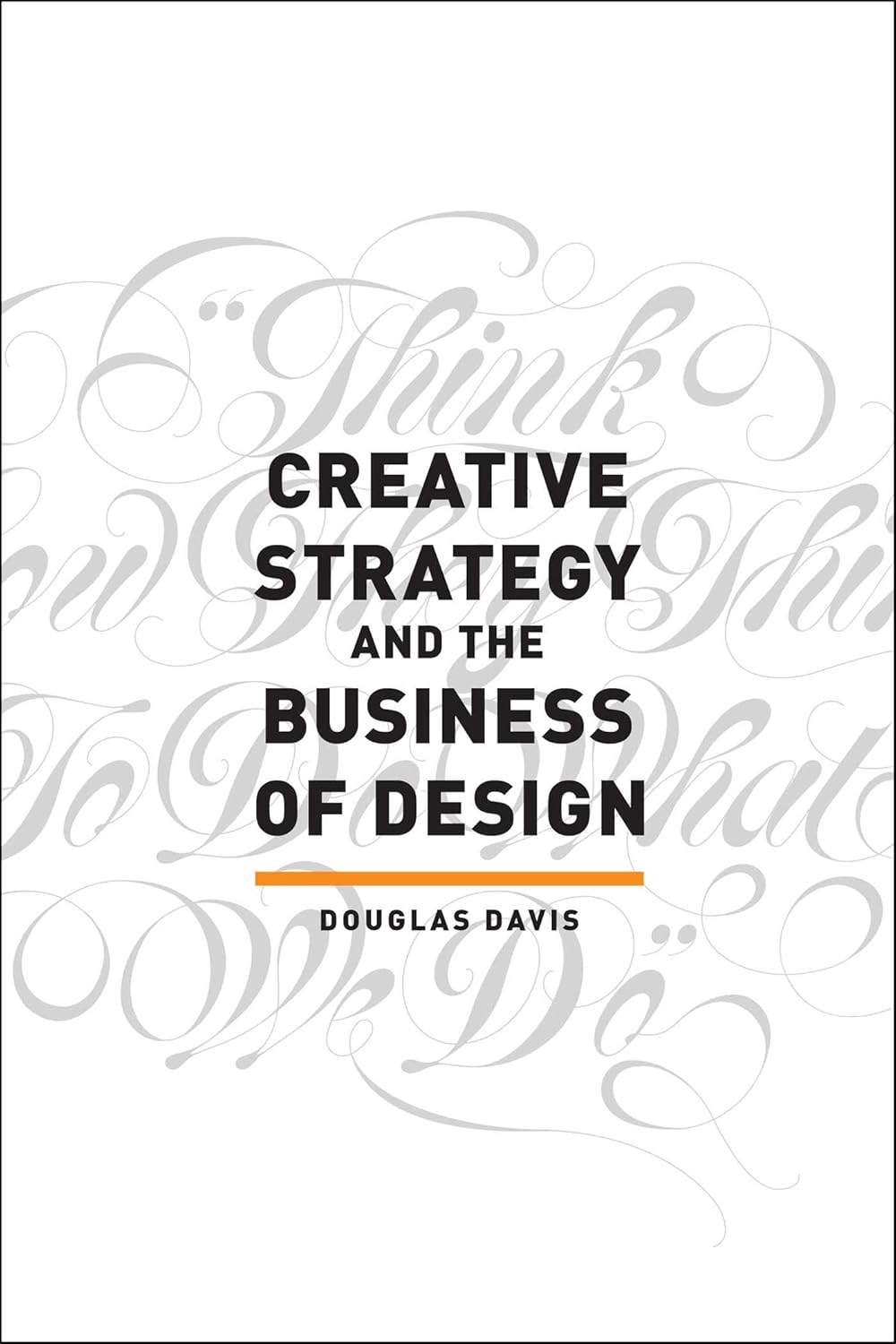
I recently dove into Creative Strategy and the Business of Design by Douglas, and I must say, it turned out to be a thought-provoking read. As someone who thrives in the creative realm, I was drawn to this book because I continually seek ways to blend my artistic flair with a solid understanding of the business side of things. The intersection of creativity and strategy is essential for anyone wanting to remain relevant in today’s fast-paced industry, and this book promised to fill that gap.
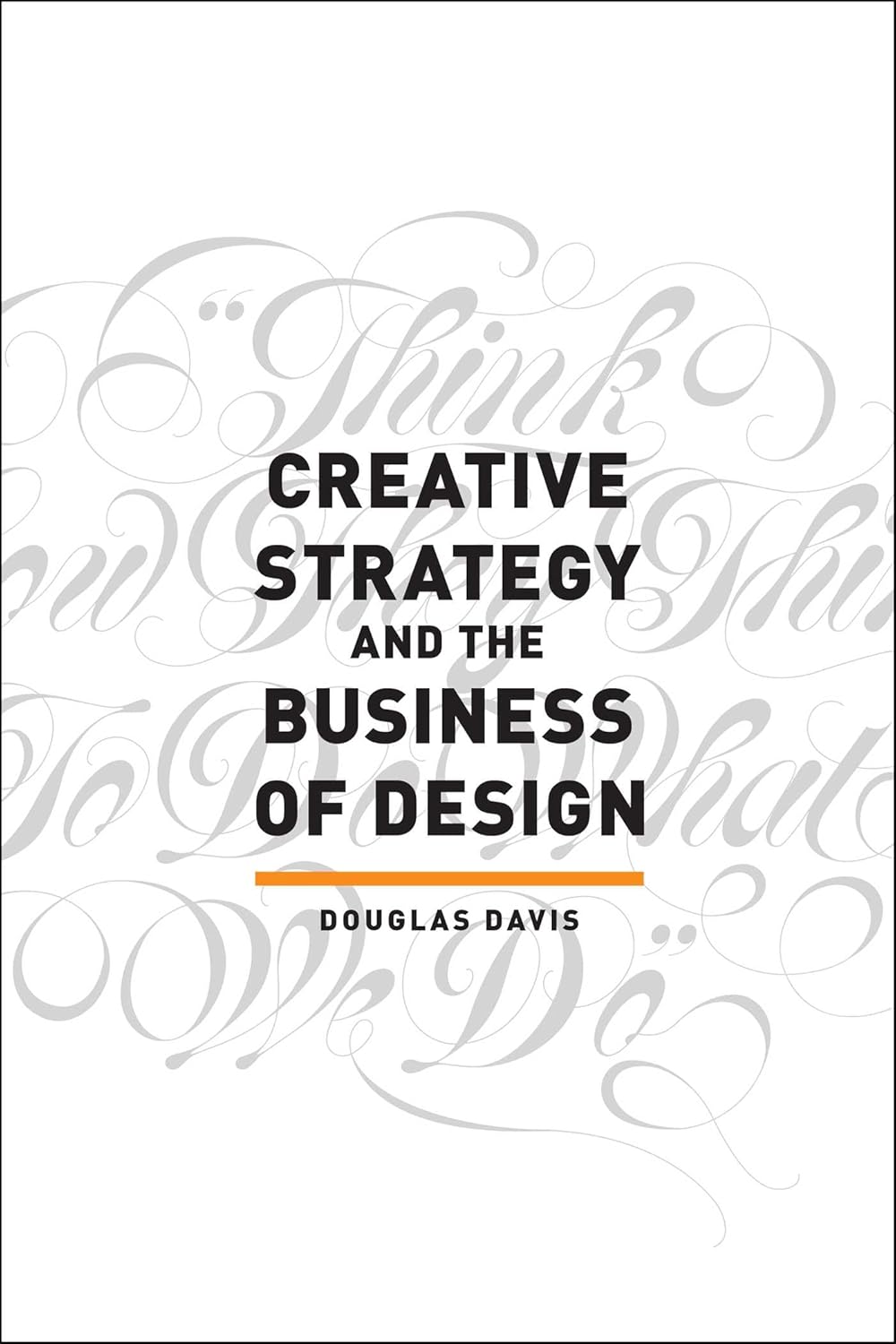
Douglas’s exploration of creative strategy is nothing short of illuminating. Right from the start, he highlights the disconnection often felt by creatives who haven’t had formal business training. I couldn’t agree more; there’s oftentimes a vast chasm between what we create and how it’s perceived in the business world. The claim that "creative professionals need to understand the language of business" resonates deeply with me, as I’ve often grappled with navigating client expectations and project meanings through a business perspective.
One of the standout features of this book is its ability to explain complex marketing jargon in a digestible manner. The practical tools and strategies discussed throughout the chapters made it easy for me to envision how I could integrate these concepts into my own work. For instance, Douglas provides frameworks to better understand client requests from a business perspective, which has significantly changed how I approach conversations with clients. Employing these tactics has allowed me to think like a strategist while still harnessing my creative energy.






However, not everything about the book is perfect. Some readers voiced concerns about the text feeling somewhat repetitive at times. I can understand this sentiment; certain concepts were reiterated across chapters, which at points made me feel like I was circling back instead of progressing. While the emphasis on key ideas can be beneficial for reinforcement, it occasionally teetered towards redundancy.
Additionally, although the advice on redesigning portfolios to showcase strategic thinking is invaluable, I found that some practical examples were vaguely described. A more detailed breakdown of how to execute these suggestions would have been helpful. That said, Douglas’s insights remained grounded and applicable, making it worthwhile to push through the occasional vagueness with my own creativity.
Throughout Creative Strategy and the Business of Design, I appreciated the quote from The Huffington Post: “Douglas wears a lot of hats–all stylish and functional. There’s a huge disconnect happening right now in the industry and Douglas’s book is a means to bridging that gap.” This encapsulates the essence of the book wonderfully. Douglas effectively addresses this disconnect by equipping creatives with much-needed business skills.
In conclusion, I would highly recommend Creative Strategy and the Business of Design to anyone looking to bolster their understanding of how to integrate strategic thinking into their creative practice. While there were aspects that could be polished, the overall message is enlightening and practical. If you’re eager to gain business insight and elevate your work as a creative professional, this book will undoubtedly serve as a valuable resource. It’s time to take what you create and elevate it to the next level by bridging that crucial gap between creativity and business acumen. I left feeling empowered and ready to tackle future projects with a fresh perspective!